

Key Highlights
- Modular designs suit off-grid builds due to transport ease and low setup costs
- Regional owners use containers as workshops, storage, and secure shelters
- A shipping container garage offers durability and flexibility on remote sites
- Container builds support self-sufficient living without full-scale construction
Why Off-Grid Living Isn’t What It Used to Be
If you’ve ever imagined going off-grid in Australia, you’ve probably pictured something pretty rugged — maybe a rainwater tank, a wood stove, and a corrugated shack somewhere past the last phone tower. But that version’s long gone. These days, off-grid living isn’t about roughing it. It’s about independence, flexibility, and building in places where traditional homes don’t make sense.
You’re not alone if the idea’s crossed your mind. Whether it’s rising housing prices, a push for self-sufficiency, or just the appeal of owning land without neighbours, more Australians are setting up on the fringes. And while the dream might start with a patch of land and a few solar panels, it’s the design choices that decide how liveable that dream becomes.
Modular builds are filling that gap fast. They don’t need months of construction or dozens of contractors. They show up, fit together, and work with the kind of limitations remote properties throw at you — like steep access roads, tight budgets, and zero connection to mains anything. That’s where they’re changing the game for anyone chasing an off-grid setup that actually works.
The Push for Modular in Rural and Regional Builds
Modular construction has become more than a trend — it’s now a reliable solution for people building outside city limits. Regional land is often cheaper, but the logistics of constructing a traditional home on an isolated block can be a nightmare. Long delivery times, high labour costs, and weather delays are all common. Modular buildings sidestep most of that.
They’re built off-site, transported in, and installed quickly with fewer trades involved. That means less downtime and lower overheads. For off-grid properties, modular design also offers a huge advantage: flexibility. Whether you’re setting up solar battery storage, running water tanks, or relying on compost systems, modular layouts can be adjusted to suit. You’re not forced into a suburban floorplan that doesn’t match your needs.
There’s also the issue of permits. Councils tend to look more favourably on smaller, transportable dwellings — especially in agricultural zones where full residential builds might trigger stricter assessments. For owner-builders, that can mean fewer hurdles and a faster path to getting the structure approved and usable.
Smart Uses for Recycled Containers in DIY Builds
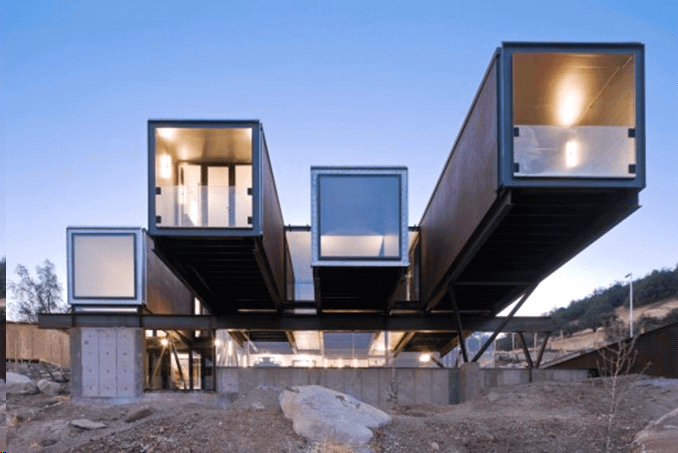
Not every modular build starts with a kit from a supplier. Increasingly, people are turning to recycled shipping containers as the backbone of their off-grid setups. They’re durable, stackable, and relatively easy to modify — making them ideal for sheds, studios, and storage on properties without access to tradies.
This is where the idea of a shipping container garage has taken hold. For many, it’s not just about sheltering a vehicle. These container setups are being used as secure workshops, storage for off-grid gear, or even multi-use spaces with mezzanines and built-in benches. Because they’re made of steel, they handle tough weather and deter break-ins — a bonus if you’re far from town or don’t have neighbours around to keep watch.
Most containers can be delivered directly to rural blocks with a tilt tray, and some owners choose to set them on piers or stumps instead of pouring a slab. That means less impact on the land and more flexibility down the track if things need to be moved or repurposed.
Design Considerations When Building With Containers
Containers might be ready-made structures, but they still need some smart planning to make them liveable — or even just usable in extreme conditions. Insulation is the first big hurdle. Bare steel traps heat and cold, so most container-based builds include internal walling and insulation, often using wool batts, rigid foam, or spray-on options. Windows and ventilation matter too, especially in high-summer zones where airflow becomes essential.
Off-grid blocks also throw up site-specific challenges. Access roads need to handle heavy delivery trucks. Drainage has to be considered — not just for rainfall, but also for managing overflow from tanks or greywater systems. Then there’s fire risk. Many regional zones are subject to BAL ratings, so any structure needs to be assessed for bushfire readiness. Containers often hold up well under these conditions, but modifications like ember-proof vents and sealed gaps help meet compliance.
Electrical fit-outs are usually custom. With solar setups becoming cheaper, a lot of these builds are wired specifically for off-grid energy, with load calculations done to suit fridges, pumps, tools, or anything else needed on-site. For those not living permanently on the property, a container structure can double as secure storage and a temporary base for weekend visits or seasonal work.
Why This Trend Isn’t Going Anywhere
The rise of container builds in off-grid living reflects a bigger shift in how Australians think about housing. It’s not just about saving money — it’s about control. Being able to choose how and where you live, without relying on large developers or waiting years for permits, is a strong motivator. And as land prices climb in traditional residential areas, more people are looking for creative ways to make remote living not just viable, but comfortable.
Modular options offer real flexibility, especially when they’re adapted to the land rather than forcing the land to adapt to them. That’s what’s drawing in everyone from young couples priced out of the market to older buyers wanting a downsized rural retreat. Containers just happen to be one of the most accessible ways to get started. They’re not perfect, and they’re not plug-and-play, but they get you a roof, a frame, and a secure space — fast.
If the past few years have shown anything, it’s that self-reliance and adaptability are more than just values — they’re necessities. Modular structures are helping people meet those needs with fewer compromises, and that’s why they’re finding a permanent place in Australia’s off-grid future.