

If you’ve ever wrestled with a hard-to-close shipping container door, you know the frustration, and sometimes danger, of the task. Whether you’re working at a port, rail yard, warehouse, or construction site, stubborn container doors are more than just an inconvenience. They can slow down operations, damage goods, and even cause injury. That’s exactly why the OPNBar, proudly Made in the USA, was engineered, to make container door handling faster, safer, and easier.
The Real Problem With Hard-to-Close Container Doors
Shipping containers aren’t always in perfect shape. Years of exposure to the elements cause rust, warping, and swelling of door frames. Add in cargo shift, extreme temperatures, or damaged hinges, and suddenly you’re putting all your weight into a steel handle that barely moves.
Common issues include:
Rust & corrosion making locking rods seize
Cargo pressure pushing from the inside
Bent frames or misaligned hinges
Frozen doors in cold weather
Warped metal from extreme heat
Every second you spend fighting a container door is lost productivity, and the risk of strained muscles, crushed fingers, or even back injuries rises with every pull.
The OPNBar: Your Leverage Advantage
The OPNBar is the original shipping container leverage tool designed to give you the mechanical advantage you need. Instead of risking injury or wasting time, you simply attach the OPNBar to the container handle and let leverage do the work.
Key Benefits:
Maximum Leverage: The extended handle multiplies your force, making stubborn doors easy to open or close.
Knuckle-Saving Grip: Keeps your hands clear of the door and locking rods.
Fast & Efficient: Open or close even the toughest doors in seconds.
Universal Fit: Works on standard ISO container handles at ports, rail yards, and warehouses.
Made in USA Quality: Heavy-duty American steel for unmatched durability.
Why “Made in USA” Matters
The OPNBar isn’t just another cheaply made import. It’s built from high-grade American steel and manufactured under strict quality control. This means:
Longer lifespan even in harsh environments
No bending or breaking under pressure
Supporting American jobs and local manufacturing
When your safety and productivity are on the line, you don’t want a tool that fails. The OPNBar is designed for professionals who need reliable performance every single day.
How the OPNBar Pays for Itself
If you’re thinking, “Do I really need this?”, consider this:
One injury from forcing a container door could cost thousands in medical bills or lost work.
Time saved on every door adds up, especially if you’re opening dozens of containers daily.
Reduced wear on your body means fewer fatigue-related mistakes.
In most cases, the OPNBar pays for itself in just a few uses.
Real-World Use Cases
Dockworkers opening rusted port containers after months at sea.
Truckers handling tight delivery schedules where every minute counts.
Warehouse teams moving goods in extreme weather conditions.
Freight yard crews dealing with decades-old container stock.

Don’t Fight the Door – Own It
Hard-to-close shipping container doors aren’t going away—but the frustration can. The OPNBar gives you the power, speed, and safety to handle even the toughest doors with ease.
✅ Built Tough. Made in USA with heavy-duty steel.
✅ Proven Design. Used by ports, truckers, and rail yards nationwide.
✅ Safe & Efficient. Protects your body and your time.
Get Your OPNBar Today
Stop wasting time and risking injury. Whether you open one container a week or a hundred a day, the OPNBar is your must-have tool for container door control.
👉 Order now and experience the difference of American-made strength and reliability.
Shipping containers play a pivotal role in the global transportation of goods. They are the backbone of international trade, facilitating the movement of products across continents. However, handling these containers, particularly when opening and closing their doors, requires careful attention to safety. Accidents can happen, and injuries can occur if proper precautions are not taken. In this article, we will explore essential safety tips for opening and closing shipping container doors, ensuring that this crucial aspect of the logistics process is conducted with utmost care and caution.
The Significance of Safety
Safety in the logistics and shipping industry is paramount. The massive size and weight of shipping containers, combined with the potential hazards they present, necessitate strict safety protocols. Whether you are a seasoned professional or a newcomer to the world of shipping, adhering to safety guidelines is non-negotiable. Accidents can result in injuries, damage to cargo, financial losses, and even loss of life. Therefore, it is vital to be well-informed and prepared when dealing with shipping containers, starting with opening and closing their doors.
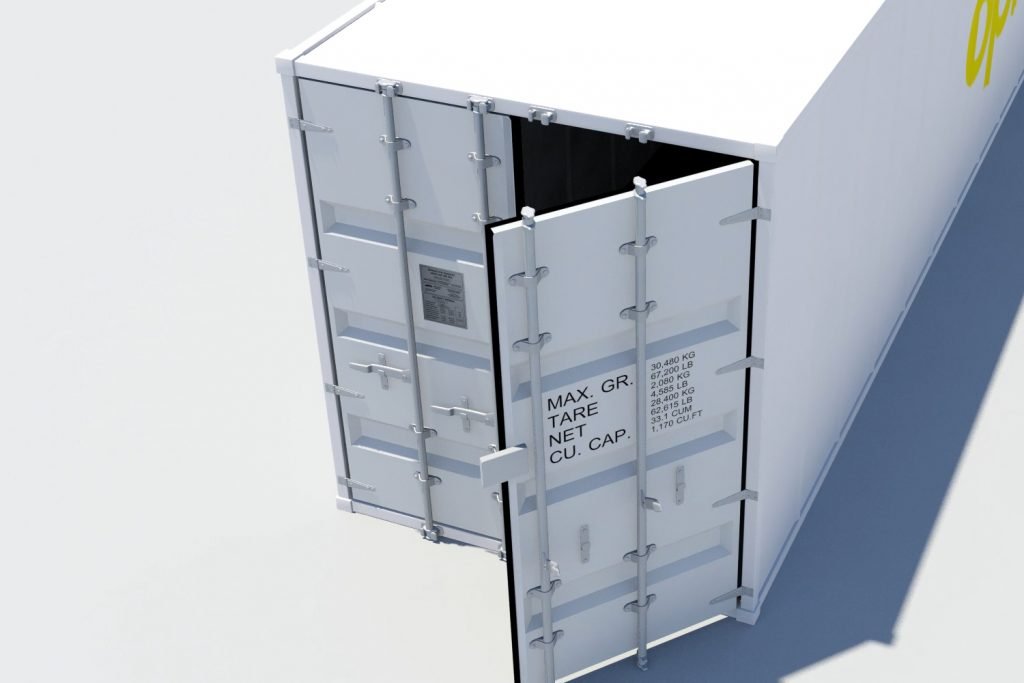
Why are the Doors of My Shipping Container Difficult to Open/Close?
Here are some likely reasons a shipping container door will not open or close. Our hand leverage tool / shipping container door extension handle helps to address these issues.
- Rust and Corrosion: The hinge pins and blade are seized due to corrosion. As shipping containers navigate through diverse weather conditions and environments over time, they become susceptible to rust and corrosion. These corrosive agents can target the locking mechanisms and hinges, ultimately impeding the smooth operation of the container's doors. This accumulation of rust and corrosion introduces a layer of complexity to unlocking and opening the container.
- Maintenance Neglect: Regular maintenance is pivotal to sustaining the functionality of shipping containers. The absence of consistent upkeep can lead to complications with the locking mechanisms, hinges, and seals. Without proper lubrication and care, these components might stiffen or become challenging to manipulate, thereby escalating the difficulty of opening the container.
- Physical Impact: The nature of shipping exposes containers to a barrage of wear and tear, stemming from transportation and handling activities. Consequently, the containers might acquire dents, twists, or misalignments. These physical distortions can hinder the proper alignment of the doors, rendering the opening process arduous.
- Uneven Placement: Placing a shipping container on uneven ground can disrupt its frame's equilibrium. This misalignment can extend to the doors, making them difficult to open or close. The uneven stance of the container introduces an extra layer of complexity when trying to access its interior. Doors and lock rods may warp or the container frame is racked so that the door gear will not operate correctly. This may be caused by cargo shifting during transit. Look at the container to make sure that the doors are aligned and level, both top, and bottom.
- Temperature Influences: Drastic temperature variations encountered during transportation can trigger material expansion and contraction. This phenomenon reverberates through the locking mechanisms and hinges, potentially impairing their normal operation. The impact of temperature fluctuations compounds the challenges associated with opening the container. Water has become trapped between frozen shipping container doors, particularly relevant to refrigerated cargoes, or containers with moisture-releasing cargoes in cold weather.
- Inadequate Tools: The task of opening a shipping container may necessitate specialized tools such as heavy-duty bolt cutters or unique locking mechanism tools. In the absence of these tools, the process can become considerably more demanding.
- Sealing Complexity: Some shipping containers employ adhesive materials or seals to ensure the contents remain shielded from environmental elements. Over time, these seals can harden and resist breaking. Consequently, accessing the container requires overcoming this intricate sealing mechanism.
- The door gasket has been damaged and is preventing opening. Door gaskets are designed to present two or more fins against the structure or adjacent door. These are generally flexible but when the gasket is damaged, they may become hard or blocked thus jamming the door closed, or preventing it from being closed.
- Security Enhancements: Certain shipping containers incorporate robust security features to discourage unauthorized access and potential theft. Although these features are indispensable for safeguarding the contents, they can inadvertently increase the intricacy of opening the container.
- The Covid economy had also released many shipping containers in the world which are now often reused and the issue of hard-to-open/close used shipping containers is now a more common issue than ever.
Opening Shipping Container Doors Safely
Opening a shipping container door may seem straightforward, but it involves several critical steps to ensure safety:
1. Container Inspection
Before attempting to open the doors, inspect the container thoroughly. Look for any visible damage, such as dents, rust, or bent hinges. Ensure that the container is stable and not at risk of tipping over. If you notice any significant issues, report them immediately to the relevant authorities for inspection and repair.
2. Clear the Area
Ensure that the area surrounding the container is clear of obstacles, debris, and people. This precaution prevents accidents and ensures that no one is in harm’s way when the doors are opened. Create a safe zone around the container, and communicate this safety measure to all involved personnel.
3. Personal Protective Equipment (PPE)
Wear appropriate PPE, such as heavy-duty gloves and steel-toed boots, to protect yourself from potential hazards. These items will shield your hands and feet from injury and provide better grip and stability when handling the doors.
4. Unlock and Lubricate
If the container is locked, use the designated keys or access codes to unlock it. Lubricate the hinges and locking mechanisms to ensure that the doors open smoothly. This step minimizes the risk of sudden jolts or resistance, reducing the chance of injuries.
5. Weight Shift Awareness
Be mindful of potential weight shifts inside the container. Cargo can move during transit, altering the container’s balance. If the weight distribution has shifted significantly, it can affect how the doors open. To counter this, take caution and proceed slowly, especially if you notice any unusual resistance when opening the doors.
6. Teamwork
Whenever possible, enlist the help of a partner to assist you in opening the doors. Having a second person can help stabilize the doors and provide additional safety. Effective communication between team members is crucial to ensure coordinated and safe door opening.
7. Door Securing Devices
Use locking devices or props to secure the open doors. This prevents them from unexpectedly closing due to wind or other external factors. Properly securing the doors is vital to avoid accidents and ensure safe access to the container’s contents.
Closing Shipping Container Doors Safely
Closing the doors of a shipping container is just as important as opening them safely. Here are essential tips for ensuring a secure closure:
1. Clear the Area
Before closing the doors, recheck the area around the container to ensure it remains clear of obstacles and people. Safety should always be a top priority.
2. Watch for Fingers
Pay close attention to your fingers and body placement during the door-closing process. Keep your hands and body clear of the door’s hinge and locking areas to avoid getting caught or pinched during closure.
3. Check for Obstructions
Inspect the container’s interior to ensure there are no obstacles or cargo in the way of the doors. Removing any obstructions prevents damage to both the cargo and the doors themselves.
4. Gentle Closure
Close the doors gently and evenly. Avoid forcing or slamming them shut, as this can lead to misalignment or damage. A controlled and gradual closure reduces the risk of accidents and preserves the integrity of the container.
5. Proper Locking
Ensure that the doors are correctly locked and sealed. Properly locking the doors is essential to prevent unauthorized access, cargo theft, and damage during transit. Double-check that all locking mechanisms are engaged securely.
6. Seal Inspection
Inspect the container’s seals to ensure they are intact and properly sealed. A secure seal helps maintain the container’s integrity, ensuring that the contents are protected from environmental factors and potential tampering.
7. Report Damage
If you encounter any damage to the container or its doors during the opening or closing process, report it immediately to the relevant authorities. Do not attempt to use a damaged container, as it can compromise safety and cargo security.
8. Secure the Area
After closing and securing the doors, take steps to secure the area around the container. This includes ensuring that the container is parked on level ground, applying wheel chocks if necessary, and posting warning signs to alert others to the presence of the container.
How to Open & Close Difficult Shipping Container Doors with OPNBar
Closing hard-to-close shipping containers can be a challenging task, but with the right techniques and equipment, it can become more manageable. Here are some tips to help you close those stubborn containers:
Inspect the Container: Before attempting to close the container, inspect it for any visible damage or obstructions that might be hindering the closing process. Ensure there are no dents, protruding objects, or debris inside the container that could obstruct the doors.
Proper Positioning: Make sure the container is on a level surface to ensure the doors align correctly. If the ground is uneven, use leveling blocks or shims to create a stable foundation.
Grease the Hinges and Locking Mechanism: Apply lubricant to the hinges, locking bars, and cam keepers. This will reduce friction and make it easier to move the locking components into place.
Use OPNBar Leverage Bar: If you’re having trouble with the locking bars, use a long steel bar or pry bar to help apply additional force. Insert the bar into the locking mechanism and use it as leverage to push or pull the bars into position.
This hand leverage tool / shipping container door extension handle uses the principles of leverage to do the difficult work. By providing an extended area on which to grasp, with both hands, a more stable platform to manipulate the latch handle is achieved.
Designed to fit and extend the door latch handles on side-by-side doors found on the following units with the safety of the truck driver, operator, and worker foremost in mind:
- Standard Shipping Containers
- Conex Boxes
- Intermodal Containers
- ISO Containers
- Reefer Containers
- Military Containers
- Waste Management Containers
- Dismountable Shipping Cargo Containers
- Refrigerated Shipping Cargo Containers
- Semitrailer Dry Freight Cargo Vans
- Semitrailer Refrigerated Freight Cargo Vans
This intermodal container (also known as ISO Container, Conex Box, or Railroad Container) cargo inspection tool hand leverage tool / shipping container door extension handle is to aid in opening and closing side-by-side doors found within Dismountable Shipping Cargo Container Trailer Transportation Industries (Railroad, Harbor, and Trucking Industries).
Eliminates the Need for a crescent wrench, screwdriver, hammer, and crowbar which are commonly needed/used to open stuck shipping container doors.
Teamwork: Enlist the help of a colleague or co-worker. Having an extra pair of hands can be extremely beneficial, especially when dealing with heavy or misaligned doors.
Adjust the Door Alignment: If the doors are misaligned, use a forklift or a container-specific alignment tool to adjust them. Ensure that the locking bars align with the cam keepers correctly.
Check for Overloaded Containers: Overloaded containers can be difficult to close due to excess pressure on the sides. Ensure that the cargo inside the container is properly distributed and not pushing against the doors.
Inspect the Locking Components: Examine the locking bars, cams, and keepers for any damage or wear. If any components are damaged, they should be replaced before closing the container.
Maintenance and Repairs: Regularly maintain and inspect the containers and their locking mechanisms. Address any issues promptly to prevent them from becoming harder to close over time.
Use a Locking Bar Tool: Some containers come equipped with locking bar tools designed to help secure the doors more easily. These tools can provide extra leverage and make the process less physically demanding.
Safety First: Always prioritize safety when working with shipping containers. Use appropriate personal protective equipment, and be cautious of your surroundings and any potential hazards.
Seek Professional Help: If you’ve exhausted all options and still can’t close the container, consider contacting a professional container repair service or the container owner for assistance.
Remember that closing a shipping container should never be forced to the point of damaging the container or compromising safety. If you encounter extreme difficulties, it’s essential to seek expert assistance to prevent accidents and ensure the container’s integrity.
Injuries from Opening/Closing Hard-to-Open/Close Shipping Container Doors
On a freezing morning, when ice has seized a car door shut, one would never consider using a crowbar to open a car door. The same thing goes for shipping containers. While conditions may be more extreme in container operations, is it reasonable to use that kind of force to open or close container doors? Experience suggests that it is not, and often ends with someone being hurt.
![broken-arm-1435980[1]](https://www.shippingcontainertool.com/wp-content/uploads/2015/12/broken-arm-14359801-150x150.jpg) Injuries to personnel involved with container door opening and closing are increasing, and often it is as a result of an inappropriate technique that is being employed. We might expect container doors to open and close as if they were car doors, without understanding why this might not be the case.
Injuries to personnel involved with container door opening and closing are increasing, and often it is as a result of an inappropriate technique that is being employed. We might expect container doors to open and close as if they were car doors, without understanding why this might not be the case.
Starting with the structure of container doors, most will have four or five hinges per door. The mechanics at the point of manufacture is that the hinge pins must be all aligned on the same plane (vertical and horizontal) and in line. Offset hinge pins will result in the blade binding when it is rotated about the pin – the more the misalignment, the greater resistance will be encountered during operation. At the time of manufacture, therefore, it might be expected that the hinge pins on every door are aligned and free to fully open (270º of operation).
 Let’s assume that the container is presented in pristine or well-maintained condition; why might the door not open with ease? Containers are generally either on a trailer/chassis or on the ground, and in both cases, the position of the locking gear handles are at an inconvenient height. For best results, the handles should be directly in front of you and at a height that is above the waist and below the shoulders.
The technique is all-important. Start with the two lock rods on the right-hand door, lift the handles out of the retainers and rotate them together as far as they will go. This should be more than 90º and rotation beyond 90º often initiates the container door opening process by forcing the cams out of their keepers. Then grasp the vertical locking bars, one in each hand, so that your hands are just below shoulder height and pull back with your body, using your leg muscles rather than your back.
If the door is still stuck, unless specifically advised against doing so (ie. the container is carrying a flexitank or bulk cargo), open the locking bars on the left-hand door and then grasp the inner locking rod of both doors and pull back, again using your body not your back. If the door still will not open, ask a colleague to pull on one door while you pull on the other.
Injuries almost always occur at the point frustration takes over and mechanical means are employed – the crowbar or a fork truck. So why will the door not open? Generally, this can be attributed to one of four reasons:
- The container frame is racked so that the door gear will not operate correctly. This may be caused by cargo shifting during transit. Look at the container to make sure that the doors are aligned and level, both top, and bottom.
- The hinge pins and blade are seized due to corrosion.
- The door gasket has been damaged and is preventing container door opening. Door gaskets are designed to present two or more fins against the structure or adjacent door. These are generally flexible but when the gasket is damaged, they may become hard or blocked thus jamming the door closed, or preventing it being closed.
- Water has become trapped between the doors and frozen, particularly relevant to refrigerated cargoes, or containers with moisture-releasing cargoes in cold weather.
 Doors that open but are stiff to move may suffer from the first two reasons above, along with possible misaligned hinge pins. Pins can become misaligned by damage to the ‘J-bar’ which has twisted one or more pins, or a hinge blade or pin has incorrectly aligned the blade with the hinges on the door. Adding a backing plate under a single hinge blade may help take the blades out of alignment. When a hinge blade needs to be refitted because of damage or corrosion and a doubler plate is required, plates should be inserted under all the blades on that door.
The safe operation of doors requires that some attention be given to them. Many hinges have coatings on the inner surface of the hinge blade, while others use plastic liners, both of which are designed to protect against corrosion. Some designs are fitted with greasing apertures. Fundamental to success are the examination and maintenance processes.
Typically, doors will be opened for in-service inspections and off-hires. Where oil does not free the hinges, repair work is probably necessary. An inspection is required to check that the hinges and hinge pin welds are not broken or cracked. Opening doors could be done when a depot releases a unit for packing, since it may have been in the stack for a prolonged period.
 If the doors cannot be opened to pack a container, send the unit back! If it is already packed and you need to open the doors, but they will not open by hand, try to pull both doors open at the same time with increasing power. If you need more than two people, ensure you tell the container operator, especially if, as a result of container door opening, the locking gear or doors are or become damaged.
And, when you are opening a packed container, remember to watch out for those packages that are just about to fall out. In all these matters, be alert that the doors are big and heavy – treat them with respect and report anything unusual.
Source: TT Club
Equip operators with the proper tools needed and promote safety to help them avoid injury.
The OPNBar tool, for instance, can help avoid some injuries by providing an ergonomic means of opening shipping containers, checking for low-pressure tires, and aiding operators in releasing the tractor from the trailer. Please be sure to read OPNBar Extended Instructions & Precautions Safer Grip by OPNBar™️ are ideal work gloves for all-day use for light manufacturing, warehouse operators, and for use in maintenance areas. Safer Grip gloves by OPNBar are ideal multi-purpose work gloves for various applications like trucking and delivery, warehouses, maintenance areas, light manufacturing, and carpentry. They are also great for gardening, and various outdoor activities that require grip in wet conditions, like boating, fishing, hiking, and biking, and can help protect hands while providing extra grip when handling tools and materials.Conclusion
Safety should always be a top priority when handling shipping container doors. Whether you are a truck driver, a dock worker, or a logistics manager, following these safety tips can help prevent accidents, injuries, and costly mishaps. By inspecting the container, clearing the area, wearing appropriate PPE, and taking precautions during both the opening and closing processes, you contribute to a safer working environment in the logistics and shipping industry. Remember that proper training and adherence to safety protocols are essential to ensure that handling shipping containers remains a reliable and secure aspect of global trade.
Citations
Ensuring safety when opening and closing shipping container doors is crucial to prevent injuries and accidents. Here are some credible health and safety guidelines:
-
Use of Mechanical Aids:
- Utilize appropriate mechanical handling equipment to assist in opening and closing container doors, ensuring sufficient safe clearances are maintained in aisles, loading docks, and doorways to prevent accidents.
-
Proper Storage Practices:
- Ensure that materials stored inside containers are stacked, blocked, interlocked, or otherwise secured to prevent sliding, falling, or collapse, which can cause the doors to become jammed or difficult to operate.
-
Regular Maintenance and Inspection:
- Regularly inspect container doors and their components for defects or damages. Employers must inspect intermodal containers for defects in structural members or fittings before handling, identify any unsafe containers, remove them from service, and repair them before returning to service.
-
Training and Hazard Awareness:
- Provide training to employees on the potential hazards associated with handling shipping containers, including the risks of confined spaces and the importance of proper ventilation. For example, certain containers may be considered confined spaces if they have limited means of entry or exit and are not designed for continuous human occupancy.
-
Emergency Preparedness:
- Ensure that exit route doors can be opened from the inside at all times without keys, tools, or special knowledge, to allow for quick evacuation in case of emergencies.
By adhering to these guidelines, individuals can minimize health risks and maintain a safer working environment when handling shipping container doors.